
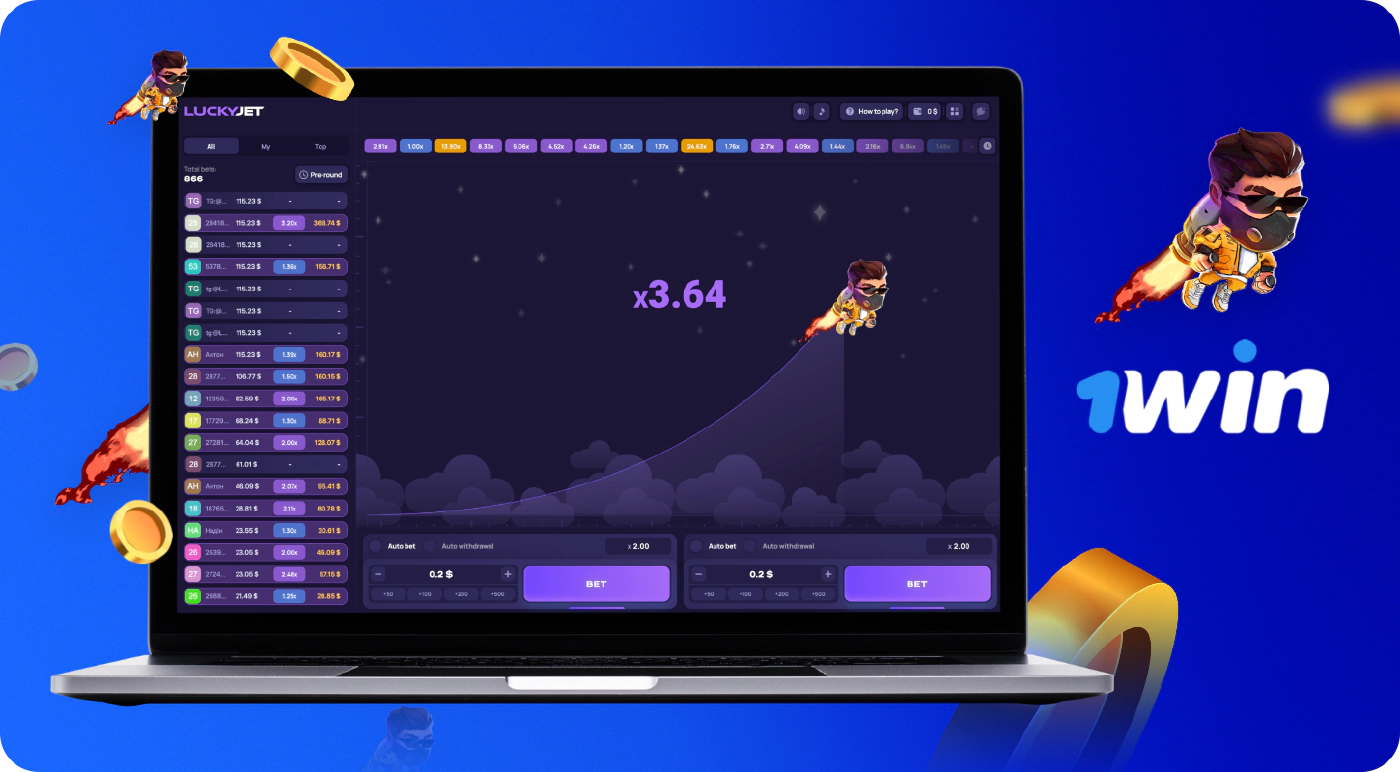

Lucky Jet draws in players with its unique cocktail of expectation and fast choices, but the true peak of excitement is something players call the “last second trigger flytakeair.com.” This is that intense, split-second decision to collect your winnings just before the jet might fly away. It turns every round into a thrilling test of timing and nerve. Getting good at this isn’t just about relying on luck. It involves grasping how the game works, detecting small clues in its patterns, and maintaining a cool head. For anyone seeking to move past simple bets, the art of that last-moment withdrawal is where the game gets its greatest thrill and strategy.
Comprehending the Lucky Jet Game Mechanics
You must understand the essentials of Lucky Jet to grasp the last-second trigger. A digital jet departs at the start of each round. A multiplier rises the more it stays in the air. Players put their bets before launch, and their role is to decide when to cash out, fixing that multiplier. The hitch is basic: the jet can vanish, or “crash,” at any arbitrary instant. Every bet still flying when it crashes is forfeited. This builds a intense dynamic. Players constantly balance desire for a greater payout against the chance of getting nothing. It’s the ideal setup for last-second drama.
The Mindset of the Final Moment Decision
Making a final-moment cash-out pushes your mental state as much as your strategy. The increasing number triggers a surge of excitement and desire, which can cloud your judgment. That thought suggests you to stay for “just one more second.” Users who handle this well learn to eliminate emotional reactions out of the game. They create firm withdrawal plans or mindset rules before the game even begins. The fear of losing a larger win fights with the fear of going bust, a internal tug-of-war known as loss aversion. Mastering this needs discipline. Your actions should stem from watched data and your own risk comfort, not the pressure of the moment. That shift converts emotional gambling into something more like deliberate play.
Core Approaches for When to Cash Out
No strategy can ensure a win in a game of chance, but some tactics can shape your moment for a final move. These methods lead to more reasoned decisions instead of pure instinct. A good structure uses data patterns and firm personal rules to handle your bankroll and your state of mind. Using these tactics adds some organization to those quick choices.
- The Multiplier Target Approach: Pick a set multiplier target before the round begins, like 2x, 5x, or 10x. Promise to cashing out the instant you achieve it, and fight the temptation to go for a bigger multiplier.
- The Percentage Betting Approach: Plan to cash out a certain portion of your bet at multiple multiplier stages. This secures some winnings while allowing a minor part ride for a opportunity at a greater return.
- Pattern Observation (Not Forecasting): Review the history of recent crash levels to grasp for the game’s risk level. Never assume a sequence predicts what will happen next. Use this data to guide a broad feeling of caution or aggressiveness.
- The One-Failure Approach: If you target a specific multiplier and the jet explodes before you exit, consciously reduce your goal for the upcoming rounds. This helps you to get your calm back and stabilize your funds.
Frequent Errors to Avoid
Numerous players, especially new ones, fall into foreseeable mistakes that ruin their prospects with final-second triggers. The riskiest is pursuing losses. After losing, a player might bump up their stake or target multiplier, attempting to recover their funds instantly. This commonly just worsens the situation. In the same way, “tilt” a state of pure emotional frustration leads to reckless choices with no approach behind them. Another common mistake is overconfidence. A few successful last-second wins can create a false belief that you can regularly overcome the unpredictable system, resulting in riskier bets. Steering clear of these habits is the cornerstone for any consistent play.
Tools and Features That Can Help Players
Reliable platforms that host Lucky Jet usually include features to help with disciplined play. The auto-cashout function is the simplest tool. It allows you to set a desired multiplier in advance, and the system cashes out automatically when it hits. This removes the thrill of a manual last-second trigger, but it’s great for adhering to a plan and cutting out emotional delay. On top of that, detailed game history and round statistics give data for players who favor an analytical style. It’s advisable to understand these in-game utilities. They’re designed to give you more control and a clearer view of your gameplay.
Managing Risk and Reward for Long-Term Enjoyment
The core of playing Lucky Jet, notably its last-second tension, is finding your own balance between risk and reward. This balance determines whether you savor the game over the long run. Players should designate a session bankroll, money distinct from their essential finances, and follow firm loss limits. The goal transforms from “winning big no matter what” to “extending your playtime and getting the most entertainment.” When you see each last-second decision as part of a bigger session plan where some wins come early and some bets are lost you can experience the game’s thrill without the shadow of financial stress. Playing responsibly preserves the excitement fun.
FAQ
What is a “last second trigger” in Lucky Jet?
A last second trigger is the moment you collect your bet at a huge multiplier, just heartbeats before the jet might crash randomly. It’s a bold move that relies on sharp timing and steady nerves. Delaying even a fraction of a second too long means you lose the whole bet.
Is there really a guaranteed strategy to win using last second cash-outs?
No method guarantees a win in Lucky Jet. The crash point is set by a random number generator. Strategies for last-second triggers center on managing your money and your mindset to make informed choices. They cannot predict or control the game’s result. These tactics develop discipline but do not defeat the core randomness.
Tell me how the auto-cashout feature work?
The auto-cashout feature lets you choose a target multiplier before the round starts. If the jet reaches that number, your bet is collected automatically. You never have to click a thing. This is a essential tool for following a set strategy and erasing any hesitation when things move fast.
Am I able to predict the crash point by studying previous rounds?
You can review past data to spot trends in volatility, but every round is its own independent event with a random outcome. What happened before does not alter what happens next. History can provide you with a general feel for risk, but don’t mistake it for a reliable crystal ball.
What constitutes the biggest mistake players make with last-moment plays?
The major mistake is letting emotions dictate decisions. This manifests as greedily pursuing ever-higher multipliers after a good win, or frantically trying to recover losses by upping your bets. This lack of discipline, often called “going on tilt,” siphons your funds fast and eliminates the game’s strategic side.
Is Lucky Jet a game of skill or pure luck?
Lucky Jet is mostly a game of chance because of its random crash algorithm. But skill plays a role in how you handle your money, master your emotions, and time your cash-outs. These skills don’t affect the game’s odds, but they greatly influence your long-term experience and your ability to manage risk.
How vital is bankroll management for this style of play?
Bankroll management is crucial. Last-second trigger strategies by nature involve big swings. Without strict limits on your bet sizes, session budgets, and loss ceilings, the exciting ups and downs can destroy your funds quickly. Good management keeps the game entertaining and something you can return to.
Summary
Pursuing the ideal last-second trigger encapsulates the main thrill of Lucky Jet. It combines chance with human judgment and nerve. While the game’s outcome is random, players can build a more engaging and controlled experience through structured strategies, psychological awareness, and solid bankroll management. By understanding the mechanics, avoiding common emotional traps, and leveraging the tools available, the focus moves from pursuing unpredictable wins to controlling your own decision process. This transforms each round into a compelling exercise in evaluating risk, guaranteeing the game’s intensity is both felt and appreciated responsibly.