
In today’s interconnected globe, trainee communities play a crucial role in shaping academic and personal experiences.

These communities are not just collections of people however are dynamic ecosystems that foster growth, learning, and collaboration amongst trainees. They vary commonly in type and university and school q&a function, from campus-based groups to worldwide on the internet forums, each offering special chances for involvement and development.
Whether you are stepping onto an university school for the very first time or taking part in virtual understanding atmospheres, understanding the framework and advantages of trainee communities can substantially boost your instructional trip. This write-up looks into the essence of trainee communities, checking out how they operate, the advantages they give, and the methods which they can be leveraged for individual and academic success.
Comprehending Pupil Neighborhoods
Pupil neighborhoods are foundational to the scholastic experience, working as both social and academic support systems. At their core, these communities are groups developed normally by trainees that share common interests, objectives, or disciplines. They can be casual, such as study hall, or official, like student unions and clubs.
These areas are characterized by a common identity and the cumulative pursuit of knowledge, abilities, and experiences. They act as systems for students to attach, collaborate, and contribute to each various other’s growth, extending beyond academic borders to influence personal advancement and neighborhood interaction.

In essence, trainee neighborhoods are microcosms of larger social frameworks, where leadership skills are sharpened, ideas are traded, and lifelong relationships are developed. The interactions within these neighborhoods show a varied mix of social, intellectual, and social characteristics.
- Networking Opportunities: Pupil neighborhoods provide a network of peers and coaches that can provide assistance and guidance.
- Ability Advancement: Engaging in neighborhood activities aids trainees establish necessary skills such as communication, management, and synergy.
- Source Access: These neighborhoods commonly offer accessibility to scholastic sources, consisting of research products and expert suggestions.
- Social Interaction: They offer a platform for social communication, easing the transition right into new academic settings and aiding to battle seclusion.
With these different features, pupil neighborhoods end up being integral to the holistic development of trainees, laying a structure for future specialist and personal success.
The Advantages of Engaging in Trainee Areas
The advantages of taking part in trainee communities are diverse, affecting both academic and individual rounds.
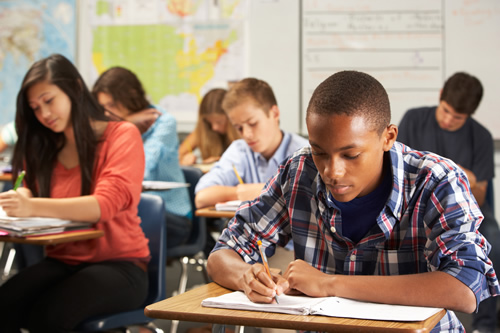
On a scholastic degree, these communities motivate joint understanding, enabling trainees to benefit from varied viewpoints and knowledge. Sharing knowledge and resources within an area can lead to a lot more reliable understanding end results and enhanced scholastic efficiency.
Furthermore, trainee communities offer a system for individual growth and self-discovery. By involving with peers from various histories and self-controls, students acquire a broader worldview, boosting their social capability and compassion. This exposure to varied point of views is invaluable in developing vital reasoning and problem-solving skills.
In addition, energetic engagement in community activities can increase students’ self-confidence and self-worth. Tackling management duties or taking part in discussions and events cultivates a feeling of achievement and belonging, which is critical for general well-being and inspiration.
Types of Student Areas
Trainee neighborhoods can be found in different types, each satisfying various rate of interests and objectives. These can be broadly categorized right into academic, cultural, entertainment, and professional neighborhoods, among others. Each kind offers one-of-a-kind systems and possibilities for pupil engagement.
- Academic Communities: These are generally centered around certain disciplines or academic interests. Examples consist of study groups, honors cultures, and department clubs.
- Cultural Communities: These groups concentrate on advertising social recognition and variety, usually arranging events and activities to celebrate various practices.
- Leisure Communities: These consist of sports groups, entertainment clubs, and hobby-based teams that offer a break from academic roughness and promote physical and psychological health.
- Professional Areas: These are aimed at career advancement, offering networking possibilities, workshops, and mentorship programs to prepare students for the specialist world.
By determining and engaging with the appropriate areas, pupils can tailor their university experiences to straighten with their rate of interests and profession ambitions, leading the way for a fulfilling academic journey.
Developing a Growing Trainee Area
Creating and maintaining a growing pupil neighborhood calls for effort and cooperation from both students and schools. It begins with fostering a comprehensive setting where all students feel invited and valued despite their backgrounds.
Institutions can support this by providing sources and centers that motivate communication and involvement. This consists of creating physical spaces like pupil unions and online systems that facilitate communication and cooperation. Furthermore, arranging events, workshops, and workshops can additionally enhance involvement, offering trainees with opportunities to attach and pick up from each various other.
Management and Student Participation
Reliable leadership is important in nurturing a successful student community. Management functions within these neighborhoods use students an opportunity to create and show their organizational and interpersonal skills. Pupils who presume these roles contribute significantly to setting the tone and instructions of their communities, influencing their peers favorably.
Urging management and active participation among students not only reinforces the neighborhood yet likewise empowers individuals, preparing them for future difficulties. By fostering a culture of cooperation and support, trainee neighborhoods can prosper, leaving a long lasting effect on their participants and the scholastic atmosphere in its entirety.